Farm Futures
   Search Site:  Search Site Thursday, May 23, 2013 | Bookmark This Site   
Skip Navigation Links
Home
Markets
News
Weather
Farm Futures NOW!
Magazine Online
RSS News
Mobile
Subscribe
Reprints
Register
Login
About Us
Advertise
 
  • Post to Your Wall.
 

Vilsack Again Pledges Support for Beginning Farmers

Vilsack highlights new Microloan Program and credit for new and socially-disadvantaged producers
Compiled by staff 
Published: Feb 15, 2013

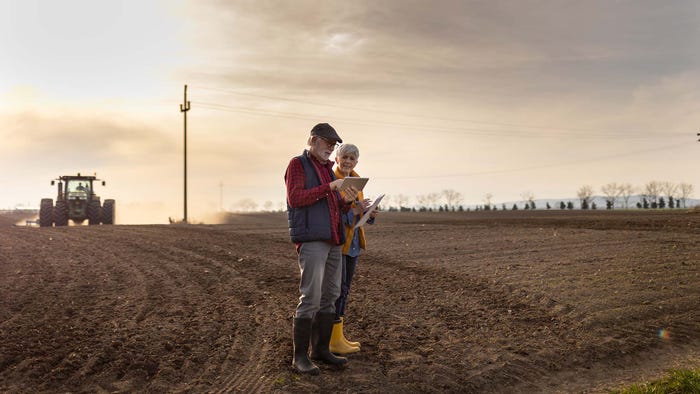
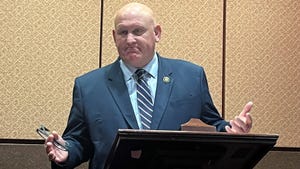
Agriculture Secretary Tom Vilsack talked with veterans, young, beginning and socially-disadvantaged producers Thursday at a community center in San Antonio, Texas, about USDA's work to expand credit for their farming operations.

USDA is hearing from excited producers all across the country about USDA's new microloan program, designed to help small and family operations secure loans under $35,000. Since 2009, said Vilsack, USDA has continued to expand the overall number of loans to beginning farmers and ranchers as well as its lending to socially-disadvantaged producers by significant margins.

"Agriculture must continue to attract the smartest, hardest-working people in the nation so we can continue to feed our nation and the world," Vilsack said. "By further expanding access to credit to those just starting to put down roots in farming, USDA continues to help grow a new generation of farmers, while ensuring the strength of an American agriculture sector ."

Vilsack highlights new Microloan Program and credit for new and socially-disadvantaged producers

Vilsack highlights new Microloan Program and credit for new and socially-disadvantaged producers
According to a USDA beginning farmers and rancher report, access to capital is one of the biggest hurdles new operators face.

Between 1982 and 2007, the report found, the number of beginning farmers and ranchers – those who have managed or operated a farm for 10 years or fewer – declined along with the number of young principal operators. Additionally, 16% of all principal operators were under the age of 35 in 1982, but by 2007 that number dropped to 5%.

Part of the effort to replenish operators in that age bracket is the new microloan program that was first released in January. The new microloan program is aimed at bolstering the progress of producers through their start-up years by providing needed resources and helping to increase equity so that farmers may eventually graduate to commercial credit and expand their operations.

The microloan program will also provide a less burdensome, more simplified application process in comparison to traditional farm loans, USDA says. The interest rate for microloans changes monthly and is currently 1.25%.

Administered through USDA's Farm Service Agency Operating Loan Program, the new microloan program offers credit options and solutions to a variety of producers.

Producers can apply for a maximum of $35,000 to pay for initial start-up expenses such as hoop houses to extend the growing season, essential tools, irrigation, delivery vehicles, and annual expenses such as seed, fertilizer, utilities, land rents, marketing, and distribution expenses. As their financing needs increase, applicants can apply for an operating loan up to the maximum amount of $300,000 or obtain financing from a commercial lender under FSA's Guaranteed Loan Program.

USDA farm loans can be used to purchase land, livestock, equipment, feed, seed, and supplies, or be to construct buildings or make farm improvements. Small farmers often rely on credit cards or personal loans, which carry high interest rates and have less flexible payment schedules, to finance their operations. Expanding access to credit, USDA's microloan will provide a simple and flexible loan process for small operations.

Producers interested in applying for a microloan may contact their local Farm Service Agency office.


Permalink: Click here

Tagged: usda, Farm Service Agency, livestock, FSA

Comments
Read comments from others and share your own thoughts.
Please provide the answer to the following question:

 = 
I agree that it is extremely hard to get credit, but I find it even harder to find ground. I know of lots of older farmers who will not sell, because if they do the government will take most of it in estate taxes and capital gains taxes. Therefore they want to die and get a step up in basis. The only problem is that when this does happen the children then get greedy and want way more than a fledgling farmer can pay which means it goes into large corporate "family" run farms. The solution would be to offer them tax credits for selling to a young farmer (with no ties to a larger farm), basically give them the step up in basis that they are waiting for when death occurs. I say ties to a larger farm as I have seen a large farm in our area grow past payment limitations by making each child its on farm under the umbrella of the parent farm therefore giving them a greater edge.
Anonymous on 2/15/2013 7:03:00 PM
 
Search this site:   

Read More Stories
Storms, Rains Lend A Little Drought Relief
Read this storyRains across the Plains provide a bit of drought relief while stalling planting progress in the Midwest moving eastward.
Read this story

Sugar Policy Dominates Farm Bill Discussion
Read this storySenators entertain amendments to eliminate sugar program, establish SNAP block grants
Read this story

EPA Proposes Wide Range of Changes to RFS
Read this storyEnvironmental Protection Agency proposes modification to RFS to include new pathway for isobutanol, clarify eligibility for ethanol from crop residues
Read this story

   
Morning Market Review by Bryce Knorr
Afternoon Recap by Paul Burgener
USDA Retains Country of Origin Labeling Requirement
Sugar Policy Dominates Farm Bill Discussion
EPA Proposes Wide Range of Changes to RFS
Storms, Rains Lend A Little Drought Relief
Weekly Fertilizer Review
Livestock Call by John Otte
Senate Judiciary Committee Passes Immigration Reform Bill
Economic Nitrogen Fertilizer for Corn
Top 50 Tags
2008 farm bill 4-H American Farm Bureau Federation American Soybean Association animal health biofuel biofuels BSE checkoff Corn Belt crop insurance department of agriculture Drought dryland Environmental Protection Agency EPA extension service farm bill Farm Bureau farm programs farm progress farm progress show Farm Service Agency farm show farmprogress farmprogress.com farmprogressshow farmprogressshow.com FFA Food and Drug Administration free trade agreement hay expo House Agriculture Committee husker harvest Husker Harvest Days huskerharvestdays.com livestock livestock producers National Cattlemen's Beef Association National Corn Growers Association NCBA NCGA New York Farm Show Progress show Senate Agriculture Committee soybean association the farm bill usda winter wheat www.farmprogress.com