Farm Futures
   Search Site:  Search Site Wednesday, May 22, 2013 | Bookmark This Site   
Skip Navigation Links
Home
Markets
News
Weather
Farm Futures NOW!

Magazine Online
RSS News
Mobile
Subscribe
Reprints
Register
Login
About Us
Advertise
 
  • Post to Your Wall.
 

Study: Yields May Plateau Due to Dry Soil, High Inputs

Report finds changes in production techniques are required to advance plant population


Compiled by staff 
Published: Feb 11, 2013

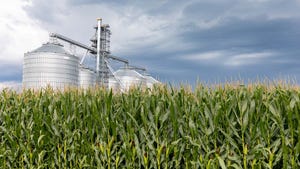
Increasing plant population density will be critical to growing yields in U.S. corn production, but increasing this density will be dependent on the economics farmers face as they seek to increase yields, according to a new report released earlier this month by researchers at the Rabobank Food & Agribusiness Research and Advisory group. The report finds it likely we'll see one to two years of stagnant plant population growth due to high input costs and dry soils in the U.S.

"Corn Yield growth in U.S. is reaching a key milestone as the trend of increasing plant population per acre is challenged by limitations of the current production processes," notes Sterling Liddell, Vice President with the Rabobank FAR.  "We know the confines of current equipment and production techniques will eventually challenge the ability of U.S. farmers to sustain historic yield growth trends. Trends our global population is demanding. "

Report finds changes production techniques are required to advance plant population

Report finds changes production techniques are required to advance plant population
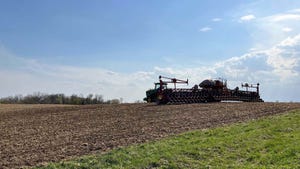
The report finds the key areas where future problems are becoming measurable in more dense plant populations include:  a lack of adequate precision in planting equipment, fertilization practices which can encourage non-uniform plant growth, and insufficient spacing for root systems to develop.

FAR notes that each of these factors could present serious challenges to long term growth in the corn yield curve. However, taken together, these obstacles are capable of severely restricting yield growth potential over the long term.

"Changes in production methods take place gradually," Liddell says. "As these changes are being implemented, growers continue to be keenly aware of increasing input costs and land values, making each decision more and more critical to maintaining a profitable operation."

Much of the equipment needed to drive the industry toward structural change exists. The bottle neck for increasing corn yields rests more on farm economics driving change rather than the technology requirement to produce at more dense population levels. 

In addition, the report finds a shift toward spring nitrogen application will create additional demand for urea. Specialty fertilizers, particularly nitrogen extenders, are likely to see increased demand as farmers attempt to make nutrients more available throughout the growing season. In addition, decreased plant-to-plant spacing will necessitate increased precision in planting equipment

As a result of technology developments, seed and equipment manufacturers have expressed confidence that the rate of growth in yield can double over the next 10 years. Although technology is constantly improving, the only feasible way of accomplishing this goal will be to nearly double the rate of plant population growth.

"The burden ultimately lies with farm input and machinery companies being able to demonstrate the positive economic returns of a steeper investment in costs and educate farmers to optimize production practices under much denser conditions," Liddell says.


Permalink: Click here

Tagged: corn yield, land values

Comments
Read comments from others and share your own thoughts.
Please provide the answer to the following question:

 = 
all troops should come home and start farming.
Anonymous on 2/11/2013 4:41:00 PM
a water pipeline can resolve any dry soil issue
Anonymous on 2/11/2013 9:07:00 AM
 
Search this site:   

Read More Stories
American Farm Bureau Opens Annual Photo Contest
Read this storyAFBF photo contest continues through October 15
Read this story

Are Farmland Prices Headed Towards A Plateau?
Read this storyEconomists say cropland price appreciation is slowing, but declining crop prices could be primary driver behind land values
Read this story

Senate Begins Consideration of 2013 Farm Bill
Read this storySen. McCain offers first amendment to Senate Farm Bill
Read this story

   
Morning Market Review by Bryce Knorr
Weekly Fertilizer Review
Afternoon Recap by Paul Burgener
USDA Announces 2013 Loan Rates for Wheat, Feed Grains
The Buzz: Late Planting Still An Issue
Senate Farm Bill Headed To Floor
Security Issues on Korean Peninsula
Make Smarter Land Investments
Recent Price Changes Alter Relative Corn and Soybean Returns
Livestock Industry Ready for 'Comprehensive' FTA with EU
Top 50 Tags
2008 farm bill 4-H American Farm Bureau Federation American Soybean Association animal health biofuel biofuels BSE checkoff Corn Belt crop insurance department of agriculture Drought dryland Environmental Protection Agency EPA extension service farm bill Farm Bureau farm programs farm progress farm progress show Farm Service Agency farm show farmprogress farmprogress.com farmprogressshow farmprogressshow.com FDA FFA Food and Drug Administration free trade agreement hay expo House Agriculture Committee husker harvest Husker Harvest Days huskerharvestdays.com livestock livestock producers National Cattlemen's Beef Association National Corn Growers Association NCGA New York Farm Show Progress show Senate Agriculture Committee soybean association the farm bill usda winter wheat www.farmprogress.com