Farm Futures
   Search Site:  Search Site Thursday, June 20, 2013 | Bookmark This Site   
Skip Navigation Links
Home
Markets
News
Weather
Farm Futures NOW!

Magazine Online
RSS News
Mobile
Subscribe
Reprints
Register
Login
About Us
Advertise
 
  • Post to Your Wall.
 

Readiness Pays for Beef Industry

Pre-planned crisis management pays, quick BSE response derails beef demand wreck, beef futures rebound, beef industry breathes sigh of relief
Compiled by staff 
Published: Apr 25, 2012

Editor's note: USDA Chief Veterinary Officer blogs about the BSE find - check it out.

Within hours, hours after a dairy cow turned up in California with Bovine Spongiform Encephalopathy on April 24, USDA's Chief Veterinary Officer John Clifford was assuring consumers that existing safeguards protected the U.S. food supply.

News that's potentially psychologically detrimental to demand is always bearish on prices. Fed cattle and feeder cattle futures locked limit down.

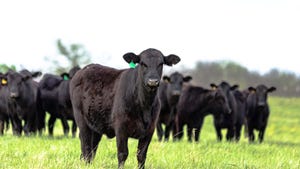
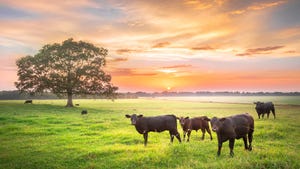
AVERTING TROUBLE: Readiness by the beef industry, honed since 2003, paid off with latest mad cow find.

AVERTING TROUBLE: Readiness by the beef industry, honed since 2003, paid off with latest mad cow find.
In a statement Clifford stressed that consuming beef products remains safe. "USDA's targeted surveillance system, detected the infected cow," he said. "The cow at no time presented a risk to the food supply or human health."

The beef industry was justifiably nervous about how consumers would react.

The mad cow story was the lead item on the 6 p.m. news. Broadcasters followed with assurances that none of the meat from the infected cow entered the food chain and that U.S. beef is safe.

DATA RULES: Hard work, and trade talks, have brought beef exports back above pre-2003 levels.

DATA RULES: Hard work, and trade talks, have brought beef exports back above pre-2003 levels.
Consumers have not panicked.

It would be a stretch to say consumers are not concerned. However, reassurances from USDA and the beef industry seem to have avoided a BSE-ignited beef demand wreck.

Fed cattle and feeder cattle futures responded by recovering nearly half of their limit down move within 24 hours of the news breaking.
Impact on beef exports is less clear

How Asian markets and Russia respond to this latest outbreak will be critical.

Shortly after the news broke, two South Korean retail chains announced they are suspending U.S. beef sales.

Steve Meyer, Paragon Economics, Adel, Iowa thinks the response will be restrained. The U.S. is recognized by OIE (World Animal Health Organization) as a country with "controlled risk for BSE."

"Our trading partners recognize this and trade on this basis," he says. "This does not mean that some countries may not suspend trade, but most are likely to continue to do business as usual.

"It is possible that the discovery may further delay U.S. negotiations with Japan to increase the age of cattle that qualify for export to that country, raising it from 21 months to 30 months," he adds. "Markets were hoping that this issue would be resolved shortly and this latest case could prove to be a further complication.

Japan's Chief Cabinet Secretary Osamu Fujimura said the new case of mad cow disease in the United States is unlikely to affect Japan's decision on whether to ease its import restrictions on U.S. cattle.

Fujimura, the government's top spokesman, also said Japan believes there is no need to take further steps against U.S. beef imports, as the cow infected with BSE found in California was older than 30 months.

Tokyo banned imports of U.S. and Canadian beef in 2003 following the confirmation of the disease. It lifted the blanket ban in December 2005, but has imposed conditions that included the 20-month-or-younger age limit.

The United States has urged Japan to lift its import restrictions on American beef products.

The U.S. Meat Export Federation, a trade organization whose purpose is to promote beef exports, is saying the atypical BSE case has no impact on food safety and "reaching out to our trade contacts around the world to reassure them that this finding is an indication that the system to safeguard the wholesomeness and safety of US beef is working."


Permalink: Click here

Tagged: usda, BSE, animal health, bovine spongiform encephalopathy, cow disease

Comments
Read comments from others and share your own thoughts.
Please provide the answer to the following question:

 = 
 
Search this site:   

Read More Stories
Legislation to Repeal Estate Tax Re-Introduced
Read this storyLegislators say bill allows farms to pass through generations
Read this story

7 Things You Might Have Missed this Week
Read this storyFarm Bill moving on, trade a big issue for ag, and the top 5 summer smartphone apps
Read this story

Expanded Market Access Brings More U.S. Beef Products to Japan
Read this storyUSMEF works with Japanese bloggers, state beef councils to coordinate expanded marketing efforts in Japanese convenience stores
Read this story

   
Morning Market Review by Bryce Knorr
Afternoon Recap by Paul Burgener
Custom Rates Change with Fuel Cost
Acquiring Farm Machinery Resources

Economic Nitrogen Fertilizer for Corn
Weekly Fertilizer Review
Super Farm Planning Tool
Weekly Wheat Review
House Works To Hammer Farm Bill Home
Weekly Financial Review
Top 50 Tags
2008 farm bill 4-H American Farm Bureau Federation American Soybean Association animal health biofuel biofuels BSE checkoff Corn Belt crop insurance department of agriculture Drought dryland Environmental Protection Agency EPA extension service farm bill Farm Bureau farm programs farm progress farm progress show Farm Service Agency farm show farmprogress farmprogress.com farmprogressshow farmprogressshow.com FFA Food and Drug Administration free trade agreement hay expo House Agriculture Committee husker harvest Husker Harvest Days huskerharvestdays.com livestock livestock producers National Cattlemen's Beef Association National Corn Growers Association NCBA NCGA New York Farm Show Progress show Senate Agriculture Committee soybean association the farm bill usda winter wheat www.farmprogress.com