Farm Futures
   Search Site:  Search Site Sunday, May 19, 2013 | Bookmark This Site   
Skip Navigation Links
Home
Markets
News
Weather
Farm Futures NOW!

Magazine Online
RSS News
Mobile
Subscribe
Reprints
Register
Login
About Us
Advertise
 
  • Post to Your Wall.
 

Groups Outline Options for COOL Compliance

NFU analysis proposes a way to have labeling and be WTO compliant
Compiled by staff 
Published: Feb 13, 2013

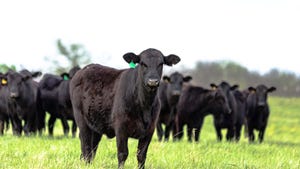
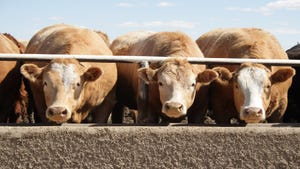
With the May deadline for U.S. - WTO Country-of-Origin-Labeling compliance on the horizon, the National Farmers Union and the United States Cattlemen's Association on Tuesday released a legal analysis that details the potential options for meat labeling.

The issue of COOL compliance first came to light after several complaints from other WTO member countries, who argued that the labeling caused consumer bias. The WTO responded in June 2012 by ruling that COOL was non-compliant with the U.S. – WTO agreement on technical barriers to trade. That meant that packers would no longer be required to differentiate U.S. meat from meat originating in other countries.

NFU analysis proposes a way to have labeling and be WTO compliant

NFU analysis proposes a way to have labeling and be WTO compliant
With the May 23 deadline looming for compliance, legislators have joined NFU and USCA in support of COOL requirements, arguing that consumers have a right to know where their food is raised and processed.

NFU's proposal suggests providing more information and more accurate details to consumers without requiring producers or processors to collect additional information. Their proposal would also require strengthening the regulations so that the information is provided directly to the consumer.

Specifically, NFU's proposal suggests that COOL regulations be revised to require that all muscle cuts bear a label that specifies the country in which each production step took place. NFU says the labels would read: A) "Product of an animal born, raised, and slaughtered in the United States."; B) "Product of an animal born in [country X], and raised and slaughtered in the United States."; C) "Product of an animal born and raised in [country X], and slaughtered in the United States."; or D) "Product of an animal born, raised, and slaughtered in [country X]."

NFU says labeling products using the new system would address three of the four deficiencies identified by the WTO's appellate body that ruled COOL non-compliant.

The fourth deficiency, NFU's analysis notes, cannot be fully addressed through rulemaking. The COOL statute itself exempts food service establishments from passing origin information on to consumers, and this exception cannot be addressed without amending the statute, they say. However, revised rules could require producers to pass origin information to food service establishments, permitting restaurants to share it with consumers if they wish.

"The comprehensive legal analysis demonstrates that the USDA can come into compliance with the WTO appellate body ruling by amending the COOL regulations," NFU President Roger Johnson said. "Changes to the COOL legislation are not necessary to achieve compliance. U.S. producers are rightfully proud of their products and consumers want to know where their food comes from. Additionally, these remedies should not result in any increase in consumers' retail prices. Achieving compliance is a win-win situation for all interested parties."

The U.S. Cattlemen's Association, a partner in the new analysis, also stands with the legislators in favor of tightening COOL regulations.

 "USCA is proud of our U.S. raised products and remain committed to this issue, while continuing to vigorously advocate for U.S. cattle producers as well as every consumer's right to information regarding where their meat products originate and are raised," said USCA President Jon Wooster.

Click here to view the report.


Permalink: Click here

Tagged: usda, farmprogress, farmprogress.com

Comments
Read comments from others and share your own thoughts.
Please provide the answer to the following question:

 = 
 
Search this site:   

Read More Stories
7 Things You Might Have Missed This Week
Read this storyFarm Bill, organic crop insurance expansion and a recipe for a good 'pie'
Read this story

Traders Might Find Cattle on Feed Report Bearish
Read this storyApril placements of cattle on feed up 15%; May 1 cattle on feed inventory down 3%.
Read this story

ADUFA Clears Another Hurdle
Read this storyHouse Energy and Commerce Committee approves animal antibiotic legislation
Read this story

   
Morning Market Review by Bryce Knorr
Economic Nitrogen Fertilizer for Corn
Afternoon Recap by Paul Burgener
Weekly Corn Review
Weekly Soybean Review
Weekly Wheat Review
Traders Might Find Cattle on Feed Report Bearish
7 Things You Might Have Missed This Week
Super Farm Planning Tool
Security Issues on Korean Peninsula
Top 50 Tags
2008 farm bill 4-H American Farm Bureau Federation American Soybean Association animal health biofuel biofuels BSE checkoff Corn Belt crop insurance department of agriculture Drought dryland Environmental Protection Agency EPA extension service farm bill Farm Bureau farm programs farm progress farm progress show Farm Service Agency farm show farmprogress farmprogress.com farmprogressshow farmprogressshow.com FDA FFA Food and Drug Administration free trade agreement hay expo House Agriculture Committee husker harvest Husker Harvest Days huskerharvestdays.com livestock livestock producers National Cattlemen's Beef Association National Corn Growers Association NCGA New York Farm Show Progress show Senate Agriculture Committee soybean association the farm bill usda winter wheat www.farmprogress.com