Farm Futures
   Search Site:  Search Site Wednesday, June 19, 2013 | Bookmark This Site   
Skip Navigation Links
Home
Markets
News
Weather
Farm Futures NOW!

Magazine Online
RSS News
Mobile
Subscribe
Reprints
Register
Login
About Us
Advertise
 
  • Post to Your Wall.
 

The Grain Bin Boom: What's Ahead

With projected grain yield trends, Co-Bank analysis indicates U.S. farms will have to find new Corn Belt storage for another 2.3 billion bushels by 2019


John Vogel 
Published: Jun 25, 2012

Thinking about putting up more grain storage? Prepare to get in line and wait awhile. And investigate low-interest Farm Storage Facility Loan opportunities via USDA's Farm Service Agency.

The current grain storage building boom is far from over if long-term national corn and soybean yield trend lines are any measure. USDA's yield trend lines suggest that corn yields are increasing 2.32 bushels per acre per year. Soybean yields are rising at a not-so-spectacular 0.45-bushel clip.

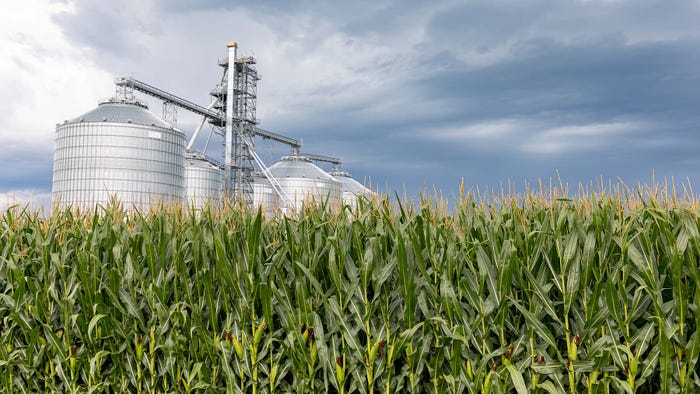
But an analysis by CoBank, a Denver-based Farm Credit cooperative bank, reports that billions of dollars more must be invested in new storage to handle peak grain production between now and 2019. In just the Corn Belt, grain storage must be expanded to handle 2.3 billion more bushels of grain, according to Dan Kowalski, lead analyst at Co-Bank's Knowledge Exchange Division.

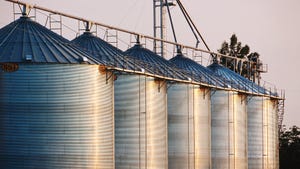
MORE GRAIN, MORE STORAGE: While both on-farm and commercial grain storage are growing, commercial storage is expanding almost twice as fast.

MORE GRAIN, MORE STORAGE: While both on-farm and commercial grain storage are growing, commercial storage is expanding almost twice as fast.
More than half of that extra storage is expected to be built off-farm, costing an estimated $3.8 billion. Most of it'll be built in the Corn Belt states of Illinois, Iowa and Nebraska.

The report, "Change on the Rural Horizon: Managing the Expansion of Grain Storage in the Corn Belt" estimates that roughly 80% of U.S. grain storage capacity is located within the 12-state Corn Belt region. And, the region accounts for 90% of new capacity added since 2005.

Off-farm storage now accounts for 42% of Corn Belt capacity. Its share grew nearly twice as fast as on-farm storage.

That suggests, according to Kowalski, that most producers are opting to take on less risk and less leverage by utilizing elevator storage. Meeting the evolving needs of grain producers will be critical to the future survival and success of grain handling firms, he says.

The average commercial grain storage facility has grown by 30% since 2005. Even before 2005, the grain storage/merchandising business model was shifting toward larger networks and storage systems encompassing multiple counties. Continued success will depend on the ability to offer sufficient storage in optimal locations, faster/newer technology and competitive rates, he concludes.


Permalink: Click here

Tagged: Corn Belt, usda, Farm Service Agency

Comments
Read comments from others and share your own thoughts.
Please provide the answer to the following question:

 = 
Storing in the elevator means releasing control of your crop as most elevators will not release the corn by charging an "out" charge. Therefore, most grain storage will be on-farm if farmers can afford it. The volatility of the markets and need to control cash flow mandate on-farm storage. I have put up about 135,000 bu storage in last 3 years because the elevators cannot be trusted to be fair with the grain once they have it in their bins. Price later problems, etc. no more! Plan to put up another 100,000 bu storage if possible next 5 yrs.
Anonymous on 6/25/2012 5:19:00 PM
 
Search this site:   

Read More Stories
Farm Bureau 'Cautiously Hopeful' On TTIP Negotiations
Read this storyFirst round of TTIP negotiations to take place week of July 8
Read this story

House Opens Debate on Farm Bill
Read this storyCommittee leaders prepare the troops for amendment voting Wednesday
Read this story

Immigration Bill Long Overdue, Officials Say
Read this storyUSDA Secretary Vilsack, Homeland Security Chief Napolitano discuss potential benefits of Immigration reform
Read this story

   
Morning Market Review by Bryce Knorr
Afternoon Recap by Paul Burgener
Weekly Fertilizer Review
Market Worries About Weather, Wall Street
House Opens Debate on Farm Bill
Livestock Call by John Otte
White House Warns of Veto On House Farm Bill
Immigration Bill Long Overdue, Officials Say
USDA Announces Grants for Rural Small Businesses
Pollinator Week Focused On Bee Health
Top 50 Tags
2008 farm bill 4-H American Farm Bureau Federation American Soybean Association animal health biofuel biofuels BSE checkoff Corn Belt crop insurance department of agriculture Drought dryland Environmental Protection Agency EPA extension service farm bill Farm Bureau farm programs farm progress farm progress show Farm Service Agency farm show farmprogress farmprogress.com farmprogressshow farmprogressshow.com FFA Food and Drug Administration free trade agreement hay expo House Agriculture Committee husker harvest Husker Harvest Days huskerharvestdays.com livestock livestock producers National Cattlemen's Beef Association National Corn Growers Association NCBA NCGA New York Farm Show Progress show Senate Agriculture Committee soybean association the farm bill usda winter wheat www.farmprogress.com