Farm Futures
   Search Site:  Search Site Tuesday, May 21, 2013 | Bookmark This Site   
Skip Navigation Links
Home
Markets
News
Weather
Farm Futures NOW!

Magazine Online
RSS News
Mobile
Subscribe
Reprints
Register
Login
About Us
Advertise
 
  • Post to Your Wall.
 

EPA Issues Request for Comment on RFS

Drought-triggered controversy about the Renewable Fuels Standard will now be addressed through an EPA request for comment.
Compiled by staff 
Published: Aug 20, 2012

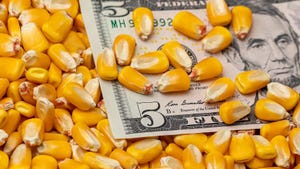
The Environmental Protection Agency today issued a request for public comment on letters seeking a waiver of the Renewable Fuels Standard, a government mandate on ethanol production. The EPA will allow interested parties 30 days to submit comments.

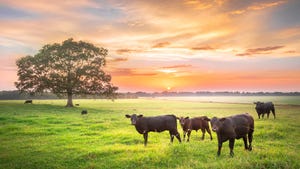
In addition to letters from a group of U.S. Senators and Representatives, four governors (Mike Beebe, Ark.; Beverly Perdue, N.C.; Martin O'Malley, Md.; Jack Markell, Del.) have issued letters to the EPA opposing the RFS. A coalition of livestock groups are also in support of an RFS waiver.

Is an RFS waiver the right move? The EPA will address all arguments with a 30-day comment period.

Is an RFS waiver the right move? The EPA will address all arguments with a 30-day comment period.
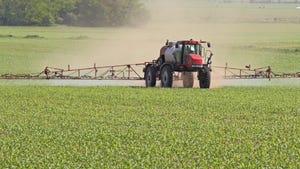
Recent attention regarding the RFS has largely centered on the severe drought that is plaguing many corn-growing states. Though final yield has not been determined, yield estimates from the USDA are low, and livestock groups say a limited corn supply due to drought will not satisfy all needs, cause corn prices to rise and therefore inflate feed costs.

Corn growers maintain that because final yields have not yet been determined, it is impossible to tell what the corn supply will and will not support. And, a recent study by Purdue University found that a waiver of the Renewable Fuels Standard would have little immediate impact on corn prices and the corn supply, unless ideal conditions within the ethanol industry were present.

Read the entire request for comment document here.

Read more about the RFS debate:

USDA Estimates Shake Up RFS Debate

Renewable Fuels Standard, Biofuels Continue to Take Hits

Senators Support RFS Waiver

Lawmakers Join Livestock Groups In RFS Debate

RFS Drought Debate Continues

RFS Questioned As Livestock, Ethanol Producers Butt Heads


Permalink: Click here

Tagged: livestock, Drought, EPA, usda, biofuels

Comments
Read comments from others and share your own thoughts.
Please provide the answer to the following question:

 = 
I wrote the ethanol article below. You are free to edit and publish it however you wish For the Ethanol Mandate, the Real Issue is Speculators by Bobby Fontaine The problem is not so much grain supplies but the prices going so high that third world countries and the food relief organizations that support them can't afford to feed their people anymore. This leads to political unrest and death all over the world, like last years "Arab Spring" being a direct result of rising grain prices caused by federal ethanol mandates. Ethanol supporters can defend high grain prices by showing that ever since ethanol has placed higher demands on corn markets, more corn has been grown to meet it. That however doesn't change the fact that the reason grain prices are so high even though there is ample supply is speculators. And the only reason speculators feel confident enough to risk billions of dollars to drive up grain prices is because federal biofuel mandates insure higher than normal demand on corn, and soybean for biodiesel. Higher demand for soy and corn, along with being able to sell it for higher prices, causes farmers to choose to grow them over other crops, which puts pressure on the supply side for all related food markets, including meat producers who use grain for animal feed. This gives speculators a field day of betting that all commodities markets will rise. This in turn forces the cost of everything we eat to unrealistically high levels. But since we have such a strong economy, we won’t starve. This however does keep us from being able to make our economy stronger, which is causing a lot of people to become unemployed and stay that way. In third world countries, higher grain prices means they don’t eat, which in the long run, the unrest that follows costs us greatly, to say nothing of the humanitarian aspect of what we’re doing to them. No reason for starvation What I’m saying is we will have enough grain to supply all the markets in need, hopefully with next year bringing in a better crop so we can re- supply depleted stores. But speculators are forcing prices up to unrealistic levels so we can no longer afford to buy them without a great deal of pain. This way they make money at everyone’s else’s expense, including their own since they are human beings and will suffer through whatever they cause for the rest of us. This is to say nothing of the fact that they will also have to help pay to clean up after the problems they cause through taxes and straining the economy further, perhaps beyond repair. And the only reason they are able to do this is because they know which way the markets are pointing as long as we have mandates that insure prices will keep rising. Federal laws that require ethanol and biodiesel be used as fuel forces such a large shift in the direction of grain markets, and subsequently all food markets, that speculators can easily see what no one is supposed to be smart enough to see, which is the direction commodities markets will head. Do you remember the story about how Hillary Clinton, who had no experience in commodities, turned a $1000 into an easy $100,000 through a series of cattle futures trades? There was an outcry of foul play over her easy money making adventure because that’s just not the way commodities work, not even for people who are experts in a particular commodity. Predictable markets are broken markets There have always been speculators in commodities but they don’t make a lot of money at it because they are so unpredictable. The people commodities futures were designed for are actually involved in the production and or sales of a particular commodity and use derivatives contracts as a hedge against “future” losses. If a farmer grows corn hoping the price will be within a certain range at harvest time so he can’t pay off his debtors and turn a profit, he may place a bet that the price will drop. This way if it does, his winnings from the derivative contract will c
Anonymous on 8/21/2012 10:08:00 AM
 
Search this site:   

Read More Stories
American Farm Bureau Opens Annual Photo Contest
Read this storyAFBF photo contest continues through October 15
Read this story

Are Farmland Prices Headed Towards A Plateau?
Read this storyEconomists say cropland price appreciation is slowing, but declining crop prices could be primary driver behind land values
Read this story

Senate Begins Consideration of 2013 Farm Bill
Read this storySen. McCain offers first amendment to Senate Farm Bill
Read this story

   
Senate Begins Consideration of 2013 Farm Bill
Morning Market Review by Bryce Knorr
Are Farmland Prices Headed Towards A Plateau?
Afternoon Recap by Paul Burgener
Grain Futures Sell Off After Fast Progress

Ag Groups File Comments on CFTC Reauthorization
Livestock Call by John Otte
Moving on Up with Corn Planting, That Is
Weekly Fertilizer Review
Monsanto Focuses on Systems Optimization to Drive Yield Increases

Top 50 Tags
2008 farm bill 4-H American Farm Bureau Federation American Soybean Association animal health biofuel biofuels BSE checkoff Corn Belt crop insurance department of agriculture Drought dryland Environmental Protection Agency EPA extension service farm bill Farm Bureau farm programs farm progress farm progress show Farm Service Agency farm show farmprogress farmprogress.com farmprogressshow farmprogressshow.com FDA FFA Food and Drug Administration free trade agreement hay expo House Agriculture Committee husker harvest Husker Harvest Days huskerharvestdays.com livestock livestock producers National Cattlemen's Beef Association National Corn Growers Association NCGA New York Farm Show Progress show Senate Agriculture Committee soybean association the farm bill usda winter wheat www.farmprogress.com