Farm Futures
   Search Site:  Search Site Thursday, May 23, 2013 | Bookmark This Site   
Skip Navigation Links
Home
Markets
News
Weather
Farm Futures NOW!

Magazine Online
RSS News
Mobile
Subscribe
Reprints
Register
Login
About Us
Advertise
 
  • Post to Your Wall.
 

Some Energy Programs Lack Funding In House Farm Bill

Rural Energy for America, Biomass Crop Assistance Programs get cut in the House Farm Bill
Janell Baum 
Published: Jul 10, 2012

The Environmental Law and Policy Center and FarmEnergy.org are pushing for changes in the House Farm Bill, calling for reinstatement of energy funding, including the Rural Energy for America Program and the Biomass Crop Assistance Program, which are not provided mandatory funding in the proposed legislation.

Both REAP and BCAP were included in the 2008 Farm Bill to promote renewable energy use. REAP provides benefits to small businesses interested in purchasing renewable energy technology or make energy efficient upgrades to their operations, and also includes a technical assistance and energy audit program to implement such changes.

Rural Energy for America, Biomass Crop Assistance Programs get cut in the House Farm Bill

Rural Energy for America, Biomass Crop Assistance Programs get cut in the House Farm Bill
BCAP provides funding to landowners for establishing and maintaining biomass crops used for fuel. It also includes a provision that helps producers collect, harvest and store biomass.

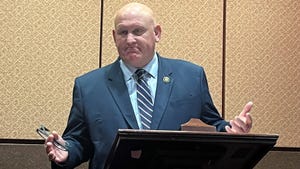
According to Andy Olsen, Senior Policy Advocate with the Environmental Law & Policy Center, these energy programs provide needed jobs, economic development and energy security.

He said that REAP has funded about 8,000 projects in every state, many of which have gone to rural areas and small businesses. He praised the two programs for helping cut energy costs or produce new income related to energy.

"[REAP and BCAP] help farmers and rural small businesses be a part of the growing renewable energy economy," he said.

Just last month, Agriculture Secretary Tom Vilsack announced 450 more REAP projects while touring a greenhouse equipped with renewable energy power sources made possible by REAP.

BCAP, which was funded at $17 million for fiscal year 2012, has seen its share of praise and criticism.

According to an audit report released in May by the Office of the Inspector General, the Farm Service Agency—which is responsible for BCAP administration—failed to develop performance goals and effectively manage program implementation. The report called for immediate action to resolve observed errors and correct program accountability.

Despite the OIG report and prior to language release for the House Farm Bill, the USDA announced last month additional focus on investing in the BCAP program with the inclusion of new project areas, a change that would bring an additional $9.6 million into the program.

Olsen remained supportive of BCAP and its past and potential benefits.

"The BCAP program is the first opportunity we had seen in a long time to move into the commercial marketplace energy crops that can be used for liquid biofuels, combined heat and power or pellets for home or business heating."

Olsen said the funding for both programs has been well-received and successful, providing opportunities for many communities across the country and generating consistent interest.

"There is actually a track record of success that the house would be bringing to a screeching halt in the name of deficit reduction," he said. "We have great agreement in this country that we have to deal with our energy problems—we have farmers who are lined up to use these programs to produce renewable energy."

Olsen said he is optimistic about the upcoming markup, and said there is still time to reinstate funding for the two programs.

"These farm bill energy programs have always had strong bipartisan support. [Renewable energy] is something that Americans can agree on," Olsen said.

The draft language of the House version Farm Bill was released last week. Markup is scheduled to begin July 11.


Permalink: Click here

Tagged: farm bill, usda, biofuels, 2008 farm bill, Farm Service Agency

Comments
Read comments from others and share your own thoughts.
Please provide the answer to the following question:

 = 
 
Search this site:   

Read More Stories
Sugar Policy Dominates Farm Bill Discussion
Read this storySenators entertain amendments to eliminate sugar program, establish SNAP block grants
Read this story

EPA Proposes Wide Range of Changes to RFS
Read this storyEnvironmental Protection Agency proposes modification to RFS to include new pathway for isobutanol, clarify eligibility for ethanol from crop residues
Read this story

Senate Judiciary Committee Passes Immigration Reform Bill
Read this storyAfter five markup sessions and consideration of more than 200 amendments, the Senate Judiciary Committee prepares immigration bill for floor time
Read this story

   
EPA Proposes Wide Range of Changes to RFS


Morning Market Review by Bryce Knorr
Afternoon Recap by Paul Burgener
Sugar Policy Dominates Farm Bill Discussion
Senate Begins Consideration of 2013 Farm Bill
Weekly Fertilizer Review
Super Farm Planning Tool
Custom Rates Change with Fuel Cost
Economic Nitrogen Fertilizer for Corn
U.S. Geological Survey Finds Groundwater Levels Shrinking
Top 50 Tags
2008 farm bill 4-H American Farm Bureau Federation American Soybean Association animal health biofuel biofuels BSE checkoff Corn Belt crop insurance department of agriculture Drought dryland Environmental Protection Agency EPA extension service farm bill Farm Bureau farm programs farm progress farm progress show Farm Service Agency farm show farmprogress farmprogress.com farmprogressshow farmprogressshow.com FDA FFA Food and Drug Administration free trade agreement hay expo House Agriculture Committee husker harvest Husker Harvest Days huskerharvestdays.com livestock livestock producers National Cattlemen's Beef Association National Corn Growers Association NCGA New York Farm Show Progress show Senate Agriculture Committee soybean association the farm bill usda winter wheat www.farmprogress.com