Farm Futures
   Search Site:  Search Site Thursday, May 23, 2013 | Bookmark This Site   
Skip Navigation Links
Home
Markets
News
Weather
Farm Futures NOW!

Magazine Online
RSS News
Mobile
Subscribe
Reprints
Register
Login
About Us
Advertise
 
  • Post to Your Wall.
 

CropLife Study Outlines Considerable Monetary and Environmental Benefits of Herbicides

The study shows that by using herbicides to control weeds, U.S. farmers: have saved 337 million gallons of diesel fuel that would otherwise be needed each year.
Compiled by staff 
Published: Jun 22, 2006

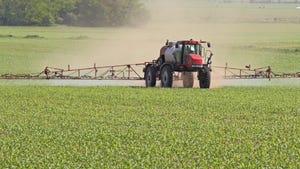
According to a recent study by CropLife Foundation, herbicide use decreases soil erosion, fuel consumption, farming operations costs and labor.

The report, "The Value of Herbicides in U.S. Crop Production," states farmers earned $16 billion more because of increased crop yields and saved $10 billion in reduced weed control costs by using herbicides.

The study shows that by using herbicides to control weeds, U.S. farmers: have saved 337 million gallons of diesel fuel that would otherwise be needed each year for farmers to use mechanical tillage to replace chemical spraying; increased crop production by 20%, equal to 296 billion pounds of food and fiber; and reduced the cost of farming by $10 billion a year.

"Corn growers are very mindful of the need to ensure environmental stewardship, which is why we work to improve the technology we use in our production operations," says Bill Chase, NCGA Production and Stewardship Action Team chairman. "Today's corn growers are growing more corn on fewer acres with fewer inputs and are achieving greater environmental benefits."

The report also included findings on farming operation practices, noting U.S. growers would have to abandon no-till production practices if they were to reduce herbicide use. The results found that resuming tillage practices would amount to soil erosion at much higher levels (356 billion pounds higher), in addition to increased deposits of sediment in streams and rivers.

Chase also notes conservation methods such as the no-till method, where the soil is left completely undisturbed, is the most effective soil-conserving system and can reduce erosion by 90% or more. Chase adds that with the elimination of tillage, farmers must rely on herbicides to control the weeds.

According to the U.S. Department of Agriculture, 41% of all cropland is under a conservation tillage system where farmers leave the stubble or residue from the previous crop to cover the soil's surface after planting. The department cites that by leaving the crop residue and reducing or eliminating tillage trips, farmers are able to protect the soil from water and wind erosion, conserve moisture, reduce runoff, improve wildlife habitat and limit output of labor, fuel and machinery.


Permalink: Click here

Tagged: crop production, department of agriculture, NCGA, crop yields, conservation tillage

Comments
Read comments from others and share your own thoughts.
Please provide the answer to the following question:

 = 
 
Search this site:   

Read More Stories
EPA Proposes Wide Range of Changes to RFS
Read this storyEnvironmental Protection Agency proposes modification to RFS to include new pathway for isobutanol, clarify eligibility for ethanol from crop residues
Read this story

Senate Judiciary Committee Passes Immigration Reform Bill
Read this storyAfter five markup sessions and consideration of more than 200 amendments, the Senate Judiciary Committee prepares immigration bill for floor time
Read this story

Sugar Policy, SNAP Key Points of Farm Bill Debate Day Two
Read this storySenators debated sugar policy and voted on controversial SNAP amendments Tuesday
Read this story

   
Ag Already Impacted by Climate Change
U.S. Geological Survey Finds Groundwater Levels Shrinking
Weekly Financial Review
Afternoon Recap by Paul Burgener
$1.2 Billion Fertilizer Plant May be Sited in Midwest
Custom Rates Change with Fuel Cost
Senate Passes Water Resources Development Act
Economic Nitrogen Fertilizer for Corn
Senate Begins Consideration of 2013 Farm Bill
Grain Futures Retreat After Rally

Top 50 Tags

2008 farm bill 4-H American Farm Bureau Federation American Soybean Association animal health biofuel biofuels BSE checkoff Corn Belt crop insurance department of agriculture Drought dryland Environmental Protection Agency EPA extension service farm bill Farm Bureau farm programs farm progress farm progress show Farm Service Agency farm show farmprogress farmprogress.com farmprogressshow farmprogressshow.com FDA FFA Food and Drug Administration free trade agreement hay expo House Agriculture Committee husker harvest Husker Harvest Days huskerharvestdays.com livestock livestock producers National Cattlemen's Beef Association National Corn Growers Association NCGA New York Farm Show Progress show Senate Agriculture Committee soybean association the farm bill usda winter wheat www.farmprogress.com