Case IH Power Tab

Farm Futures
   Search Site:   Thursday, May 24, 2012 | Bookmark This Site   
Skip Navigation Links
Home
Markets
News
Weather
Farm Futures NOW!

Magazine Online
RSS News
Land For Sale
Mobile
Subscribe
Reprints
Register
Login
About Us
Advertise
Next Generation FarmingNext Generation Farming   
Issues focused on farm management, farm business trends and young farmers.
 
Share This


The Trouble with Subsidized Crop Insurance

Posted on August 17, 2010 at 8:23 AM

It's been triple-digit heat outside for the past week here on the High Plains, and the tale of two crops couldn't be clearer: Milo is the superior crop over corn.

The difference is most evident in the two fields sitting side by side right off the highway near my home.

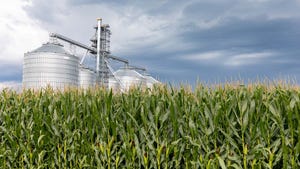
On one side of the road sits a field of corn baking in the heat with the leaves shriveling into a semblance of yellow crepe paper. On the other side of the road is a fantastic field of milo that looks like it just got a 5-inch rain. The stand is impeccable and couldn't look greener or healthier – even with a heat index as high as 113 degrees.


The two pictures are of side-by-side dryland fields of corn and milo by my house. The milo clearly outperforms the corn when both are under stress.

With a few more days of intense heat in the forecast, the crop on one side of the road is ready to coast to the finish line while the crop other side is destined to be a total loss.  

Unfortunately, this isn't an uncommon occurrence to see corn fields burning up on the Plains. We see it all the time in western Kansas where precipitation hovers around 16-17" per year and where open pan evaporation rates are comparable to the Sahara Desert. Add the searing heat of August into the mix, and the chance of a moisture-hungry crop like corn surviving the summer in a drought-prone area like the High Plains drops virtually to zero.

So why plant a crop that struggles in the heat when another crop does perfectly well? The answer probably isn't much of a surprise: subsidized crop insurance.

Thanks to the government's generous crop insurance subsidies – crop insurance companies received $3.8 billion last year from the government while posting a profit of 26.4% – farmers are defying Mother Nature and planting crops that otherwise wouldn't pay.  

On the surface, the concept of government support sounds great: They help keep the business of crop insurance profitable so we farmers can easily reduce our risk. After all, in such a high-risk business as ours, how many of us could farm without insurance?

But here's where it gets turned on its head. Subsidizing a risk management tool only results in one thing: taking on more risk. If the penalty for failure is reduced or eliminated, what's the point of making conservative or smart decisions?

In the age of ObamaCare and massive government spending, we ought to be looking harder at how these dollars are being spent. But I doubt farmers are willing to let these subsidies go quietly.

As one farmer put it when asked on a recent panel discussion of how he recommends making farming profitable, he put it very plainly: "Call your congressman."

Add a Comment
Comments
Posted by Craig on August 29 at 8:21 AM  

Tanner, Yes, oil would be nice to have for a little bonus but no oil and no irrigation water under my farm yet! It's getting closer (oil wells) all the time, so who knows.
Posted by Tanner Ehmke on August 26 at 9:08 PM  

Craig: By the way, interesting observation about Gove County. I always thought those guys up there made all their money from pumping oil out of the ground! I guess they can actually farm, too.
Posted by Tanner Ehmke on August 26 at 8:54 PM  

Craig: You make some excellent points. What’s worse than taking too much risk is taking no risk at all! There’s a midpoint somewhere. I think the academics would call that point a calculated risk, which has amounted to a lot of calculating lately. Tanner Ehmke
Posted by Craig on August 23 at 11:50 AM  

Edited my previous post: 1/2 corn and 1/2 sunflowers is less risky, not more. One more note: we almost never get an "average" rain total for the year. Most of the time we are quite a bit over or under. [what a great topic for more anaysis]. Craig
Posted by Craig on August 23 at 10:59 AM  

Edited my previous post: 1/2 corn and 1/2 sunflowers is less risky, not more. One more note: we almost never get an "average" rain total for the year. Most of the time we are quite a bit over or under. [what a great topic for more anaysis]. Craig
Posted by Craig on August 23 at 10:48 AM  

Tanner, thanks for writing on this most interesting topic... On the subject of taking on more RISK: Subsidized insurance makes even the grain sorghum producer take more risks than he would otherwise. And to be precise, any insurance (subsidized or not) will allow us to take on more risk than without. If we paid the entire premium of Fed Crop Insurance and we shopped for the best insurance (if in a free market) I'll bet insurance rates would be lower than what we see on the total premium. Anyone who doubts this should have seen the offices I saw while on a software project in Austin TX (on the river = premium space). That particular company went "broke" but I'll say the people still got their huge salaries and pensions all the while they kept losing money for several years. Sorry for the digression. Back to the subject at hannd. What crops are best for our rain in western KS? If we go with the least risky crop, perhaps we would all plant wheat, then fallow then wheat. Or on a wet year wheat on wheat. Or perhaps sunflowers (in my rotation) are more drought resistant and then in theory we should all plant sunflowers only. I've never had sunflowers without heads, but we all have seen "headless milo" now haven't we! Even more drought resistant is some perhaps some grass that we plant in CRP or really just plain ol' buffalo grass -- now that's absolutely low risk. See the problem? We are all in a risky situation but some take on more and others less. Some want more simplicity (wheat-fallow-wheat) so they can handle cows and other activities without checking sunflowers every day. Some have disgusting soils that make it more difficult to store water to grow corn - perhaps not too far east of Lane County. Here's another thought from the years of early 2000's: don't let me grow a crop that I have to harvest that is break-even before I get a dime and then I spent 4 weeks in the field not able to work on another project that makes money. Risk Diversification: Is grain sorghum for fall crop less risky than 1/2 corn and 1/2 sunflowers? My answer comes up "yes" due to diversificaion and having crops that take the opportunity of high rain (corn) or very little rain (sunflowers). There may be years that grain sorghum may be the highest revenue producing crop, but so far for me grain sorghum doesn't hold up on revenue per acre year over year. It is itchy besides, that's called the "itch factor" on the farm. I haven't started to get into crop rotation, weed control etc that also supports doing as much crop diversity as possible to avoid long terms problems. Now the reason I wrote about this is the following: The Washington DC folks are considering eliminating some practices that I want to do on wet years like corn on sunflowers stalks or sunflowers on corn stalks, or drilling wheat in either after fall harvest. Also, I see grain sorghum in Gove Co. that is hurting badly with corn beside it that in late dent stage and will make at least 100 bu/ac. So, the answers about what crops should be up to the farmers and up to the year we live in. Craig Cyplains@gmail.com
Posted by towner_guy on August 19 at 3:05 PM  

Tanner, I understand that you are in a better area than I am in southeastern CO. There is virtually no irrigation unless you go south 18+ miles to get closer to the Arkansas River. So the average dryland insurance rate to start out at is 38 - 45 bu/ac then you take your 50 - 75% guarantee at a price of $3 -$3.5 and you can't make a buck playing the insurance game. About the only crops out here that you could try to game the system (as a new producer) is wheat and sunflowers. But as you mentioned if you have a good yield history then yes I can see your concern or producers gaming the system.
Posted by Tanner Ehmke on August 19 at 8:26 AM  

Towner_Guy: The problem is that some farmers lower their costs by not using proper inputs like irrigation, thereby virtually guaranteeing a crop failure. They also take advantage of other lower costs like seed. In Iowa, a bag of Dekalb 6169 costs $380 while the same bag of seed in southwest Kansas only costs $250. The main moneymaker for corn here, though, is still crop insurance. More than a couple of farmers in the area have told me they would not be farming corn if it wasn’t for the insurance. Tanner Ehmke
Posted by towner_guy on August 18 at 4:14 PM  

apparently crop insurance works differently for mr. Tanner. where I'm at crop insurance only pays if you've already got a good established yield history. if your history is crappy or you have to use the county "t" yield the "guarantee" income doesn't cover much of anything. yes you get some money back but you still end up in the red not the black. a guy would be further in the red if the govt. didn't subsidize crop insurance.
Posted by iowafarm on August 17 at 6:11 PM  

subsidized crop insurance allow farmers to spread risk by forward selling crops not grown. Yes, it does allow riskier decisions but it allows for more profit and keeps the farmer from being victim of the volatility we see in markets.

Recent Posts
Back to Top
Farm Bill Increasing Market Distortion
Posted on April 25, 2012 at 8:30 AM
Switching from direct payments to crop insurance increases market distortion.
Category: Policy
Leaf Rust in Wheat Expanding in Kansas
Posted on April 17, 2012 at 4:00 AM
Rust in wheat is spreading rapidly, but can be controlled cheaply and easily
Category: Wheat
Wheat Crop Maturing Ahead of Schedule
Posted on April 04, 2012 at 4:00 PM
Wheat in Kansas is jointing 2-3 weeks earlier than normal.
Category: Wheat
Does the Tea Party Represent Agriculture?
Posted on March 21, 2012 at 11:00 AM
Plans to cut income taxes in Kansas shifts burden to farmers and ranchers .
Category: Farm Management
Warm Winter Not a Serious Threat to Wheat...Yet
Posted on February 07, 2012 at 2:30 PM
Unseasonably warm days are balanced by cold nighttime temps.
Category: Wheat
As Costs Rise, Shopping For Deals Pays Off
Posted on January 16, 2012 at 1:00 AM
High variability in fertilizer and bank loans requires shopping for best rates.

Category: Farm Management
For High Plains, 2011 Ends on a Strong Note
Posted on December 28, 2011 at 9:15 AM
Farm soil moisture levels are much improved over a year ago.
Category: Farm Management
Lack of Qualified Workers Hurting Agriculture
Posted on November 18, 2011 at 5:45 PM
In labor-starved rural areas, strict immigration policies are hurting agriculture.

Category: Issues

More Wheat Acres Expected for 2011-2012 Crop
Posted on November 08, 2011 at 5:42 AM
Drought and high wheat prices encourage expansion as growers look for more options.
Category: Wheat
Residue: Big Problems for Wheat Planting
Posted on October 27, 2011 at 4:08 PM
Residue from record 2010 wheat crop creates nightmares for planting
Category: Wheat
Future of Crop Insurance Looks Bleak
Posted on September 20, 2011 at 11:20 AM
The rising cost of crop insurance threatens its viability
Category: Policy
Drought May Force Early Wheat Planting
Posted on September 13, 2011 at 2:09 PM
With the drought expected to continue, wheat planting may come early.
Category: Wheat
Paying the Piper in Herbicide Resistant Weeds
Posted on August 26, 2011 at 10:40 AM
The age of simple and easy weed control may be over.
Category: Farm Management
Take Jim Rogers with a Grain of Salt
Posted on August 12, 2011 at 8:22 AM
Agriculture's future is bright, but starting a farm isn't so easy.
Category: Farm Management
Tillage Back In Style
Posted on July 29, 2011 at 10:51 AM
In Kansas, tillage equipment sells out as no-tillers go back to tillage.
Category: Machinery
Tillage Back In Style
Posted on July 29, 2011 at 10:51 AM
In Kansas, tillage equipment sells out as no-tillers go back to tillage.
Category: Machinery
Equal Rights for Water
Posted on July 13, 2011 at 12:52 PM
Irrigators face dilemma on pumping options during drought.
Category: Issues
Lots of Harvesters, Not Enough Wheat
Posted on June 24, 2011 at 5:19 AM
Customer harvesters struggling to find wheat to cut.
Category: Farm Management
Wheat Limps to Finish Line
Posted on June 09, 2011 at 10:07 AM
Harvest to come early this year in heat and high winds.
Category: Wheat
Expectations Dim for Kansas Wheat
Posted on May 05, 2011 at 8:26 PM
Wheat Quality Council's tour will estimate how bad is bad.
Category: Wheat
Plains Drought Intensifies
Posted on April 22, 2011 at 10:25 AM
More wheat acres will be abandoned if the drought worsens on the Plains .
Category: Wheat
Misleading Consumers about Family Farms
Posted on April 08, 2011 at 10:45 AM
Restaurants like Chipotle use family farms as a marketing ploy, but play loose with the facts.
Category: Issues
Glossing Over '9 Billion'
Posted on March 30, 2011 at 1:44 PM
Journalist says farmers don't need to grow more to feed ever-growing population.
Category: Issues
Feral Hogs: Public Enemy no. One
Posted on March 21, 2011 at 7:24 PM
In Kansas, state funding for aerial hunting of wild pigs is necessary for farmers and ranchers.
Category: Issues
Why Farm Subsidies Can't Be 'Fixed'
Posted on March 10, 2011 at 1:25 PM
Plans to eliminate the direct payment will only make things worse.
Category: Issues
Biotech Wheat's Blurry Future
Posted on February 25, 2011 at 9:59 AM
Farmers are ready for biotech wheat, but is the industry?
Category: Wheat
Population Control and Sustainable Ag
Posted on February 15, 2011 at 9:12 AM
There may be more to sustainable agriculture than what is preached.
Category: Issues
No-Till's Unanswered Questions
Posted on February 02, 2011 at 4:31 PM
Continuous no-till offers benefits, but Plains growers are not convinced.
Category: Farm Management
Cash Rents Explode
Posted on January 25, 2011 at 4:03 PM
Cash rents surge in an open-auction for dryland ground in northwest Kansas.
Category: Farm Management
2011 Starts On Good Note
Posted on January 10, 2011 at 1:11 PM
New Year's Day snow saves wheat crop from frigid temperatures.
Category: Wheat
Struggling to Compete
Posted on December 29, 2010 at 2:06 PM
Amid prosperity, new farmers struggle with land costs and interest rates
Category: Farm Management
Rising Interest Rates, Bigger Headaches
Posted on December 20, 2010 at 11:08 AM
With land prices and interest rates both rising, farmers are put in a tight squeeze.
Category: Farm Management
Land Bubble: Ready to Pop?
Posted on December 10, 2010 at 3:31 PM
The inflow of money from coastal investors may be a sign of the top in farmland.
Category: Farm Management
Wheat's Big Problems
Posted on November 30, 2010 at 12:00 PM
The Poor Start to this year's wheat crop spells bigger problems this winter.
Category: Wheat
China Throws It’s Weight Around
Posted on November 15, 2010 at 12:27 PM
Rumors of Chinese interest rate hike cheapens corn ahead of big purchase.
Category: Corn
New Leadership, Same Course
Posted on November 03, 2010 at 1:51 PM
The Republican and Tea Party victories offer no change for future taxpayers.
Category: At the Statehouse/Capital
No-Till Wheat a Risky Bet
Posted on October 29, 2010 at 12:31 PM
Minimum tillage works best for wheat in extreme drought conditions on Plains.
Category: Wheat
EPA's Clumsy Move for Ethanol
Posted on October 20, 2010 at 4:43 AM
Approving E15 for only late model cars will confuse consumers.
Category: Consumers
Crop Insurance Worries
Posted on October 11, 2010 at 9:46 AM
Compensation for prevented planting from drought not likely on the plains.
Category: Farm Management
Dry, and Getting Drier
Posted on October 01, 2010 at 1:08 PM
In the High Plains, some of the worst planting conditions in decades.
Category: Farm Management
Egg Illness Drums Up More Consumer Myths
Posted on September 15, 2010 at 3:42 PM
Free range eggs no safer or humane than conventional eggs.
Category: Consumers
GIPSA Marketing Reforms Won’t Stop Consolidation
Posted on September 03, 2010 at 11:41 AM
By punishing packers, many producers would end up losing, too.
Category: Farm Management
The Trouble with Subsidized Crop Insurance
Posted on August 17, 2010 at 8:23 AM
It makes farmers take riskier bets on crops.
Category: Farm Management
In Kansas, GOP Failing on Immigration
Posted on August 05, 2010 at 10:38 PM
Agriculture will take a big hit without decent reform measures.
Category: Issues
What is Local Food?
Posted on July 19, 2010 at 1:04 PM
New-age consumers love the idea of local food but don't seem to grasp how to define it.
Category: Issues
Wheat Yields Pop, But…
Posted on July 08, 2010 at 12:18 PM
Low protein levels are sinking basis.
Category: Wheat
Wheat: From Bad to Worse
Posted on June 22, 2010 at 6:14 AM
Rain means grain quality, test weights, will suffer.
Category: Wheat
Are You Getting True Value For Your Wheat?
Posted on June 09, 2010 at 9:21 AM
For wheat, on-farm storage and higher protein levels pay the bills.
Category: Wheat
Stripe Rust: A "Perfect Storm" in 2010
Posted on June 01, 2010 at 2:47 PM
Wheat crop could suffer 15 to 20 bu. per acre yield losses.
Category: Farm Management
Here Come the Woofers!
Posted on May 05, 2010 at 10:01 AM
Organic farmers gain cheap farm labor and reconnect with urban America.
Category: Issues
Is Kansas Still the Wheat State?
Posted on April 07, 2010 at 4:02 PM
For the first time in history, Kansas will be planting more corn and soybeans than wheat.
Category: Farm Management
Going Organic: Easier Said Than Done
Posted on March 05, 2010 at 11:22 AM
Would consumers be willing to pay significantly higher prices for food?
Category: Consumers
Why Sustainable Agriculture Isn't
Posted on February 19, 2010 at 7:23 AM
How do you farm locally when everything's under a few feet of snow?
Category: Technology
Family Farms are Alive and Well
Posted on February 09, 2010 at 3:57 PM
Many non-farming consumers don't realize farming is still a family business.
Category: Farm Family Living
Getting a Life, Off the Farm
Posted on February 04, 2010 at 6:57 AM
Young farmers look for ways to network with peers.
Category: Farm Family Living
Wheat's Dismal 2010 Outlook
Posted on January 14, 2010 at 11:59 AM
Fewest wheat acres since 1913 should give some hope.
Category: Wheat
Mother Nature's Mid-life Crisis
Posted on December 15, 2009 at 1:19 PM
This year's strange weather has us wondering: Is it connected to global warming?
Category: Natural resources
Great Plains Storage Dilemma
Posted on November 30, 2009 at 9:57 AM
Grain piles growing due to lack of storage and farmer selling.
Category: Farm Management
Good News on Corn and Milo Harvest
Posted on November 09, 2009 at 8:44 AM
Sunny skies have combines on the move again but some fields may be abandoned.
Category: Wheat
Rains Delay Wheat Emergence
Posted on October 27, 2009 at 12:40 PM
Wet weather now could cost you at harvest.
Category: Farm Management
A Tough Harvest
Posted on October 15, 2009 at 11:55 AM
Wet weather makes it difficult to harvest near record milo crop.
Category: Farm Management
Cheaper Crop Insurance!
Posted on October 05, 2009 at 12:37 PM
Cost of production still keeps us on our toes, but cheaper insurance will give our bottom line some relief.
Category: Risk Management
Planting Wheat in Trying Times
Posted on September 30, 2009 at 9:28 AM
Wheat prices have fallen below breakeven and discouraged many farmers from planting more wheat this fall.
Category: Farm Management
Blog

Category

Archives

About The Writer
Next Generation FarmingTanner Ehmke is a writer and agricultural producer in Lane County, Kansas, where his family has farmed since 1886. Located in the semi-arid High Plains of western Kansas, he grows dryland wheat, rye, triticale and grain sorghum in reduced-till and no-till systems. Tanner graduated from Kansas State University’s Master of Agribusiness program in 2011 after completing his thesis on seed wheat prices, and is currently in the Kansas Agriculture and Rural Leadership program’s Class XI.